
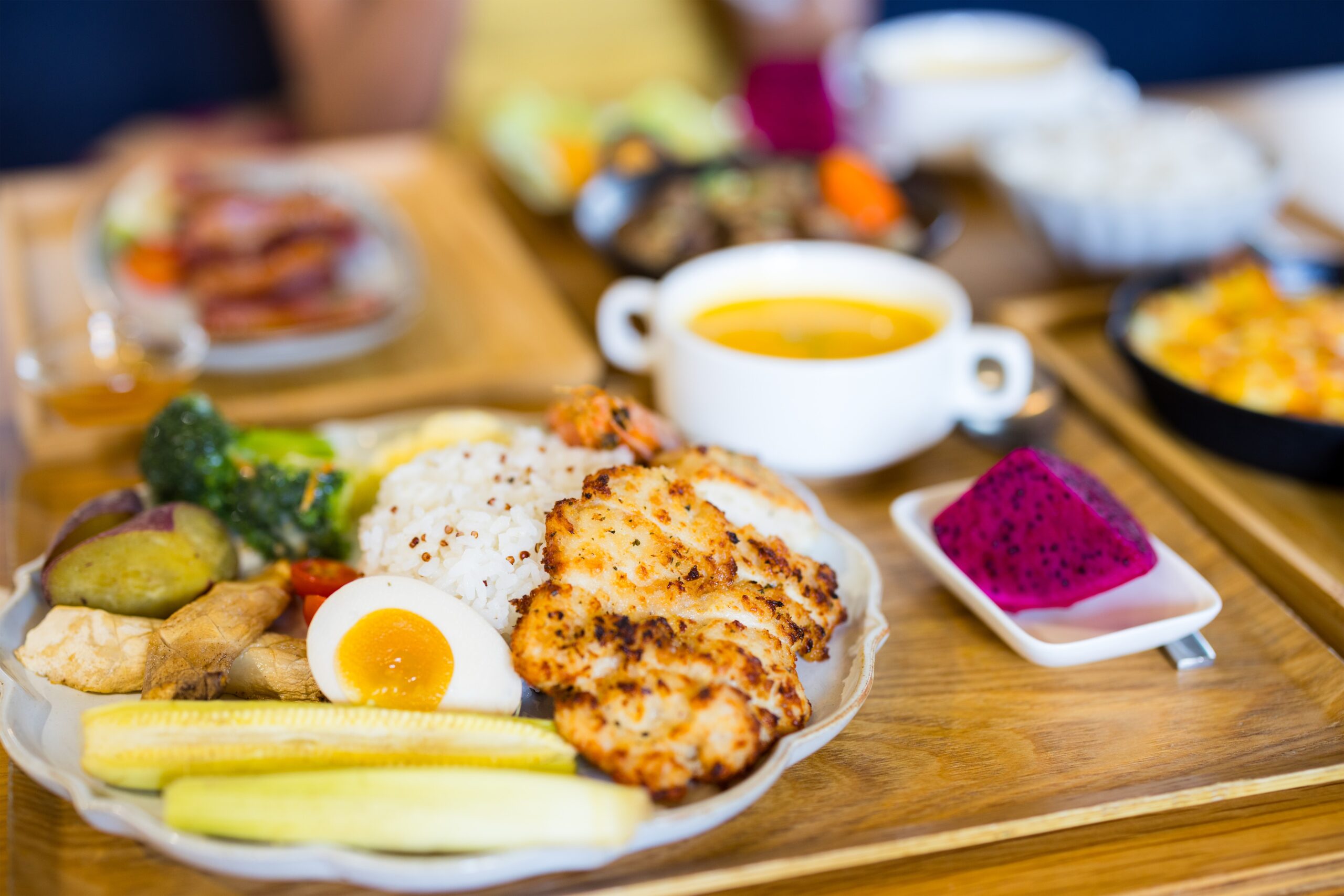
Ramadan is a time of reflection, patience, and spirituality, yet for many, the daily question of “What should I cook for iftar?” can quickly become stressful.
Planning iftar meals in advance doesn’t mean cooking complicated dishes or spending hours in the kitchen. With the right approach, you can prepare simple, nourishing, and comforting meals while keeping your energy for what truly matters during the holy month.
In this guide, you’ll learn how to plan simple iftar meals during Ramadan, using quick recipes, smart shortcuts, and realistic expectations.
Why Simple Iftar Meals Matter During Ramadan
After a long day of fasting, the body needs food that is:
- Easy to digest
- Balanced and nourishing
- Not overly heavy
Simple meals help you:
- Avoid exhaustion
- Reduce food waste
- Spend less time cooking
- Enjoy iftar more mindfully
At 20 Min Recipes, we focus on meals that support your energy, not drain it.
Step 1: Plan Your Iftar Around 3 Key Elements
A well-balanced iftar doesn’t need many dishes. Focus on just three elements:
1. Something light to break the fast
Examples:
- Dates
- Soup
- Smoothie
👉 Try: Quick Lentil Soup for Iftar or Banana Date Smoothie for Ramadan
2. A simple main dish
Choose meals that are:
- Cooked in one pan
- Ready in under 20 minutes
- 👉 Easy option: One-Pan Chicken & Vegetables for Iftar
3. A light dessert (optional)
Dessert doesn’t need to be fried or heavy every day.
👉 Light idea: No-Bake Yogurt & Date Dessert
Step 2: Choose Quick Recipes Over Variety
During Ramadan, variety is tempting, but simplicity is more sustainable.
Instead of cooking:
- Soup + 3 mains + 2 desserts
Aim for:
- Soup + 1 main + fruit or light dessert
Quick recipes save time and reduce fatigue, especially during the last days of fasting.
Step 3: Create a Simple Weekly Iftar Plan
You don’t need a full month plan. Start with 3–4 planned days per week.
Example:
- Monday: Soup + chicken dish
- Wednesday: Eggs or wraps
- Friday: Rice + vegetables
This small structure removes daily stress.
👉 Inspiration: Quick Ramadan Iftar Ideas (20 Minutes)
Step 4: Use Leftovers Wisely
Leftovers are not a failure; they’re a strategy.
- Extra rice → next day side dish
- Cooked vegetables → wraps or omelets
- Soup → freeze portions
- This reduces cooking time and mental load.
Step 5: Keep Suhoor Simple Too
Complicated suhoor leads to exhaustion. Focus on:
- Protein
- Fiber
- Hydration
👉 Suhoor ideas:
- Overnight Oats with Dates for Suhoor
- Egg & Avocado Wrap
Common Mistakes to Avoid
- Cooking too many dishes every day
- Skipping suhoor
- Relying heavily on fried foods
- Setting unrealistic expectations
Ramadan is not about perfection; it’s about balance.
❓ Frequently Asked Questions
How many dishes should I prepare for iftar?
One light starter and one main dish are usually enough for a balanced iftar.
Can I repeat meals during Ramadan?
Yes. Repeating meals saves time and reduces stress, especially on busy days.
Is meal planning helpful during Ramadan?
Absolutely. Even a loose plan can make Ramadan more peaceful and enjoyable.
Final Thoughts
Planning simple iftar meals during Ramadan doesn’t take away from the beauty of the month; it enhances it. When meals are easy and nourishing, you have more time and energy for worship, family, and rest.
Explore more quick and comforting ideas in our Ramadan recipes collection 🌙
Leave a Reply