
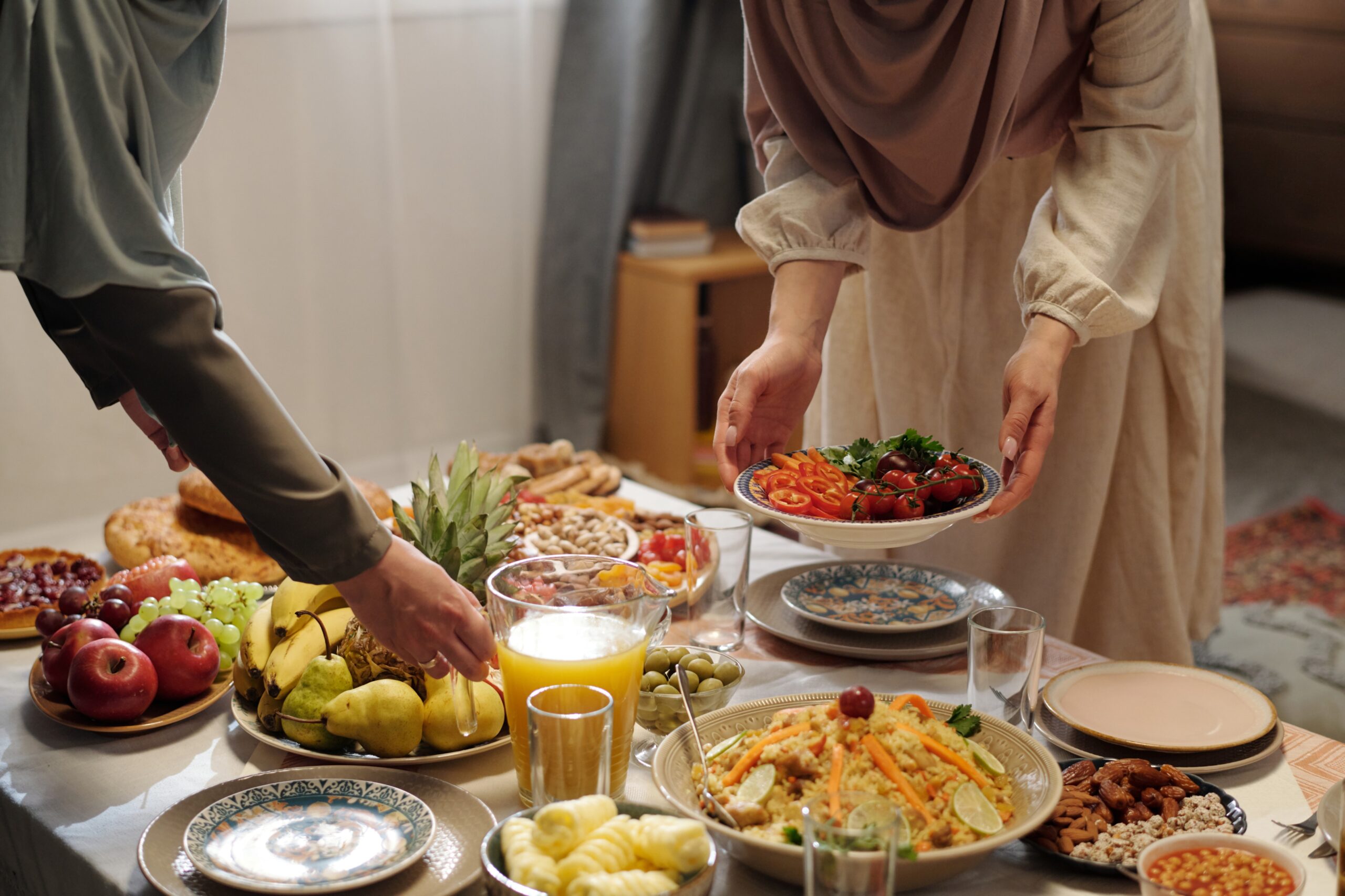
Ramadan is more than a change in eating hours; it’s a shift in rhythm, intention, and priorities. Between fasting, prayer, work, and family life, many people feel pressure to do everything perfectly, often leading to exhaustion rather than reflection. But Ramadan doesn’t have to be overwhelming. With a mindful approach to food, time, and energy, this holy month can feel lighter, calmer, and deeply nourishing, both spiritually and physically.
At 20 Minute Recipes, we believe Ramadan should be about simplicity, not stress. Eating well doesn’t mean spending hours in the kitchen, and nourishing your body doesn’t require complicated meals. It’s about balance, intention, and listening to what your body truly needs after long fasting days.
The Role of Food During Ramadan
Food in Ramadan isn’t just fuel, it’s part of worship. The Prophet ﷺ encouraged moderation, reminding us that overeating can weigh down both the body and the heart. Heavy, greasy meals may feel tempting at iftar, but they often leave us feeling sluggish, bloated, and tired for taraweeh prayers.
Instead, Ramadan meals should focus on:
- Gentle digestion
- Hydration
- Sustained energy
- Comfort and warmth
Simple soups, balanced mains, and light desserts allow the body to recover slowly after fasting while keeping energy steady throughout the evening.
Why Simple Meals Matter More Than Ever
Long fasting hours already challenge the body. Adding complex cooking routines and overloaded plates can create unnecessary stress, especially for women balancing work, family, and worship.
Simple meals:
- Save time and mental energy
- Reduce food waste
- Support better digestion
- Allow more focus on prayer and rest
This is why 20-minute meals are ideal during Ramadan. They align perfectly with the spirit of ease, balance, and intention.
👉 You can explore our full collection of Ramadan recipes designed for quick, nourishing iftar and suhoor ideas.
Creating a Balanced Iftar Without Overthinking
A balanced iftar doesn’t need ten dishes. A thoughtful combination of just 3–4 elements is more than enough:
- Dates & water: to gently break the fast
- Warm soup: for hydration and digestion
- Simple main dish: protein + vegetables
- Light dessert (optional): something naturally sweet
This approach prevents overeating and keeps energy stable for the rest of the night.
Suhoor: The Meal You Shouldn’t Skip
Suhoor is often underestimated, but it plays a crucial role in how you feel during the day. Skipping it can lead to fatigue, headaches, and low concentration.
A good suhoor should include:
- Protein (eggs, yogurt, legumes)
- Fiber (fruit, oats, whole grains)
- Healthy fats (nuts, olive oil)
- Plenty of water
Quick smoothies, yogurt bowls, or simple egg-based meals are perfect when time is limited.
Ramadan Is Also About Mental Rest
Ramadan invites us to slow down, yet many people do the opposite. Overplanning meals, hosting large iftars daily, or chasing perfection can drain the very peace Ramadan is meant to bring.
Give yourself permission to:
- Repeat meals
- Keep cooking simple
- Rest when needed
- Say no to unnecessary pressure
Spiritual nourishment thrives when the body is cared for gently.
Bringing Intention Back to the Table
One of the most beautiful aspects of Ramadan is niyyah, intention. Cooking with intention transforms even the simplest dish into an act of worship. Whether you’re making soup for your family or preparing a quick suhoor alone, the care you put into nourishing yourself matters.
Ramadan reminds us that less can truly be more.
Final Thoughts
Ramadan isn’t about impressing anyone with elaborate tables. It’s about presence, gratitude, and balance. By choosing simple, nourishing meals and respecting your body’s needs, you create space for what truly matters: faith, reflection, and connection.
May this Ramadan be gentle, meaningful, and full of barakah 🌙
Leave a Reply