
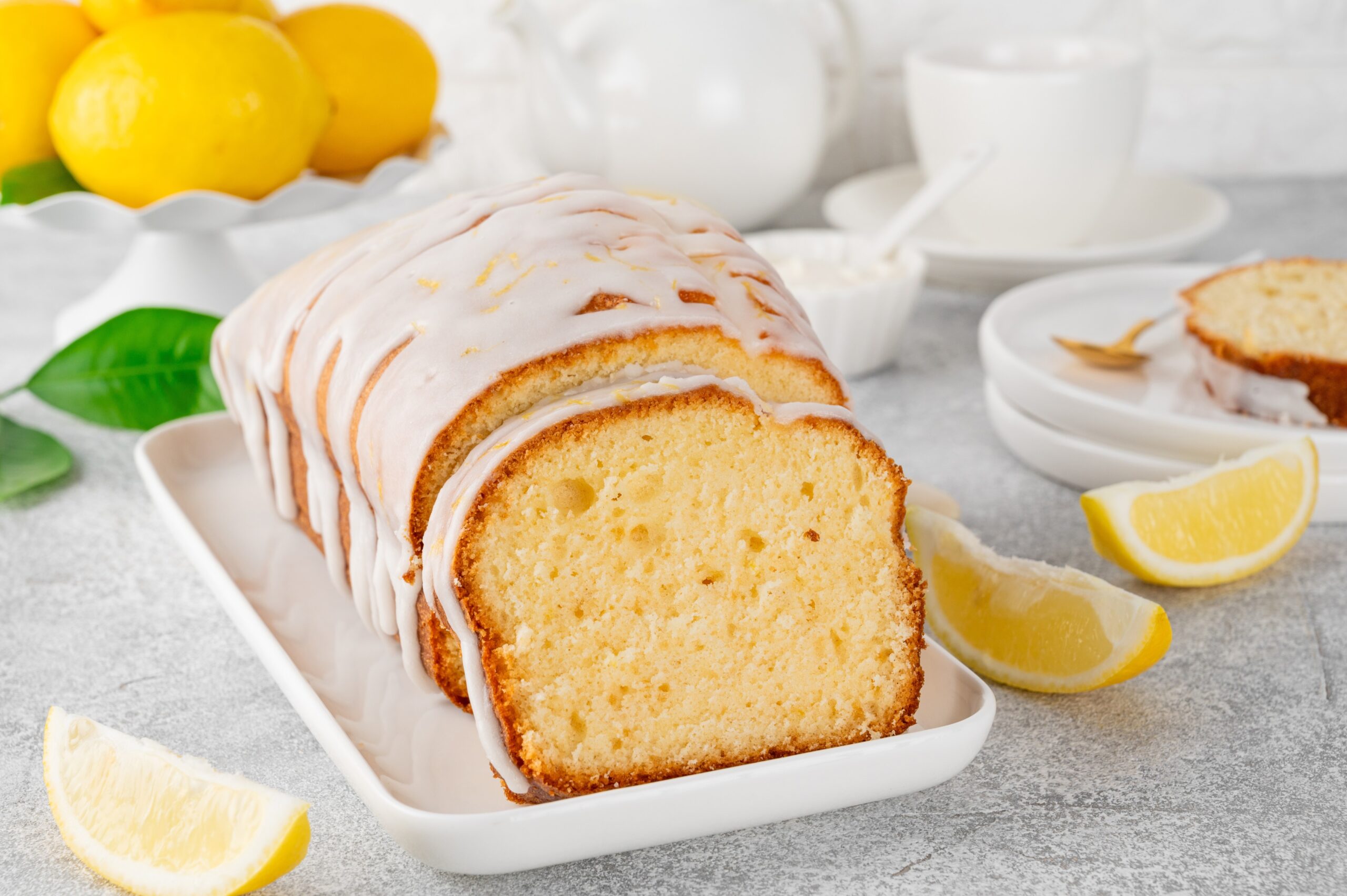
Some cakes whisper lemon. This one says it outright. The batter starts with sugar and zest rubbed together by hand until the whole bowl smells like a citrus grove, and that’s before the lemon juice even goes in. The result is a loaf that’s dense in the best way, tender, buttery, faintly tangy, with a glossy glaze that seeps into the crumb the moment it hits the still-warm top.
What sets this loaf apart isn’t a long ingredient list; it’s technique: creaming softened butter into that lemon-sugar until it’s genuinely light and fluffy, then building the batter in a specific order so the crumb stays tight and moist instead of dry or crumbly. A splash of oil alongside the butter keeps it soft for days, if it lasts that long.
If you’ve had lemon loaves that taste more like plain vanilla cake with a hint of citrus, this recipe is the fix. It’s simple enough for a weekday bake and pretty enough to hand someone as a gift.
What Makes This the Best Lemon Loaf Cake Recipe?
- Zest rubbed into the sugar, not just stirred in: this releases the lemon oils into every grain of sugar, so the citrus flavor is distributed through the entire crumb rather than sitting in isolated flecks.
- Butter and oil: butter for flavor, oil for a soft texture that holds up well the day after baking, when most butter-only loaves start to dry out.
- Vanilla bean paste instead of extract: it rounds out the sharp citrus with a warmer, more complex background note.
- A glaze that soaks in, not just sits on top: poured over a still-warm loaf, it partially absorbs into the crumb instead of forming a hard shell.
- No overmixing: folding the dry ingredients in gently keeps the loaf tender instead of dense or rubbery.
What Makes This Loaf So Moist and Tender?
- Rubbing zest into sugar: this mechanical step breaks open the zest’s oil glands, infusing the sugar (and eventually the whole batter) with concentrated lemon flavor rather than relying on juice alone, which is more diluted.
- Creaming butter for a full 3–4 minutes: this beats air into the fat, creating tiny pockets that expand in the oven for a lighter, more even crumb instead of a dense one.
- Room-temperature eggs and milk: cold ingredients can cause the butter to seize and the batter to look curdled, which traps less air and leads to a tougher loaf. Room-temp ingredients emulsify smoothly.
- Mixing dry ingredients in last, on low speed: this limits gluten development, which is what keeps a loaf cake tender instead of chewy or tough.
The magic of this lemon loaf is all in the small, deliberate steps, the zest rubbed into sugar, the patient creaming, the glaze poured while the loaf still holds a little warmth. None of it is difficult, but together it’s the difference between a loaf that’s fine and one people ask you to make again.
If you enjoyed this recipe, you might also like:
Leave a Reply